
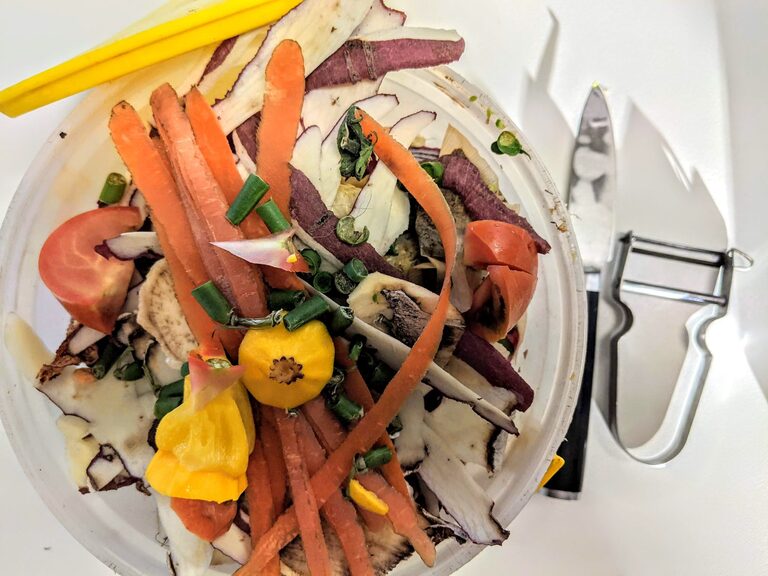
Reducing food waste at home is a great way to save money, help the environment, and make your kitchen more efficient. Many people throw away food without realizing it, but with a few simple changes, you can cut down on waste significantly. This article covers easy and effective strategies you can start using today.
Why Reducing Food Waste Matters
Food waste contributes to environmental problems like greenhouse gas emissions and wasted resources such as water and energy. When food gets thrown away, all the effort that went into growing, transporting, and packaging it also goes to waste. By cutting down on wasted food, you reduce your carbon footprint and save money on groceries.
Plan Your Meals Ahead
One of the most effective ways to reduce food waste is to plan your meals before you shop. This helps you buy only what you need and prevents impulse purchases that may end up spoiled.
Tips for Meal Planning
– Check your fridge and pantry before shopping to use up existing ingredients.
– Create a weekly menu and make a shopping list based on it.
– Consider portion sizes to avoid cooking more than necessary.
– Include some flexible recipes that can adapt to different ingredients.
Shop Smart and Mindfully
How you shop can also influence the amount of food you waste. Being mindful about your purchases can make a big difference.
Smart Shopping Tips
– Buy loose fruits and vegetables instead of pre-packaged to select the exact amount.
– Avoid bulk buying perishable items unless you can freeze or store them properly.
– Choose items with longer shelf lives when possible.
– Use apps or loyalty programs that offer discounts on items nearing their expiration date.
Store Food Properly
Proper food storage extends the life of your groceries and helps keep them fresh longer.
Storage Best Practices
– Keep fruits and vegetables in the right places, such as the fridge or pantry, according to their needs.
– Use airtight containers to preserve leftovers and leftovers.
– Label containers with the date to keep track of freshness.
– Store herbs in water like cut flowers to keep them fresh.
Use Leftovers Creatively
Leftovers don’t have to be boring or wasted. With a little creativity, you can turn them into delicious new meals.
Ideas for Using Leftovers
– Make soups, stews, or casseroles using leftover vegetables and meats.
– Use stale bread for croutons or breadcrumbs.
– Repurpose cooked rice or pasta as a base for salads or stir-fries.
– Freeze portions of meals to enjoy later.
Practice Portion Control
Serving the right amount of food helps prevent uneaten plates that are thrown away.
Portion Control Tips
– Use smaller plates to encourage smaller servings.
– Serve food in courses rather than all at once.
– Encourage family members to take smaller portions and go back for seconds if they’re still hungry.
Compost Food Scraps
Even with best efforts, some food scraps are unavoidable. Composting is an eco-friendly way to handle food waste and create nutrient-rich soil for gardening.
Composting Basics
– Collect fruit and vegetable peels, coffee grounds, and eggshells.
– Avoid composting meat, dairy, or oily foods which attract pests.
– Use a compost bin or start a pile in your backyard.
– Turn the compost regularly to speed decomposition.
Donate Excess Food
If you have non-perishable food items you won’t use, consider donating them to local food banks or shelters. This helps reduce waste and supports those in need.
Track Your Food Waste
Keeping an eye on what you throw away can help identify patterns and areas for improvement.
How to Track Waste
– Keep a bin for food scraps and empty it weekly to see how much you waste.
– Note which foods are wasted most and adjust your shopping or meal planning accordingly.
Final Thoughts
Reducing food waste at home is achievable with simple changes in shopping, storing, cooking, and managing leftovers. These habits not only save you money but also contribute positively to the environment. Start small, pick a few strategies to adopt, and gradually build a more sustainable kitchen routine.
By being mindful about food, you can make a real difference—one meal at a time.